6 min read · Educational only
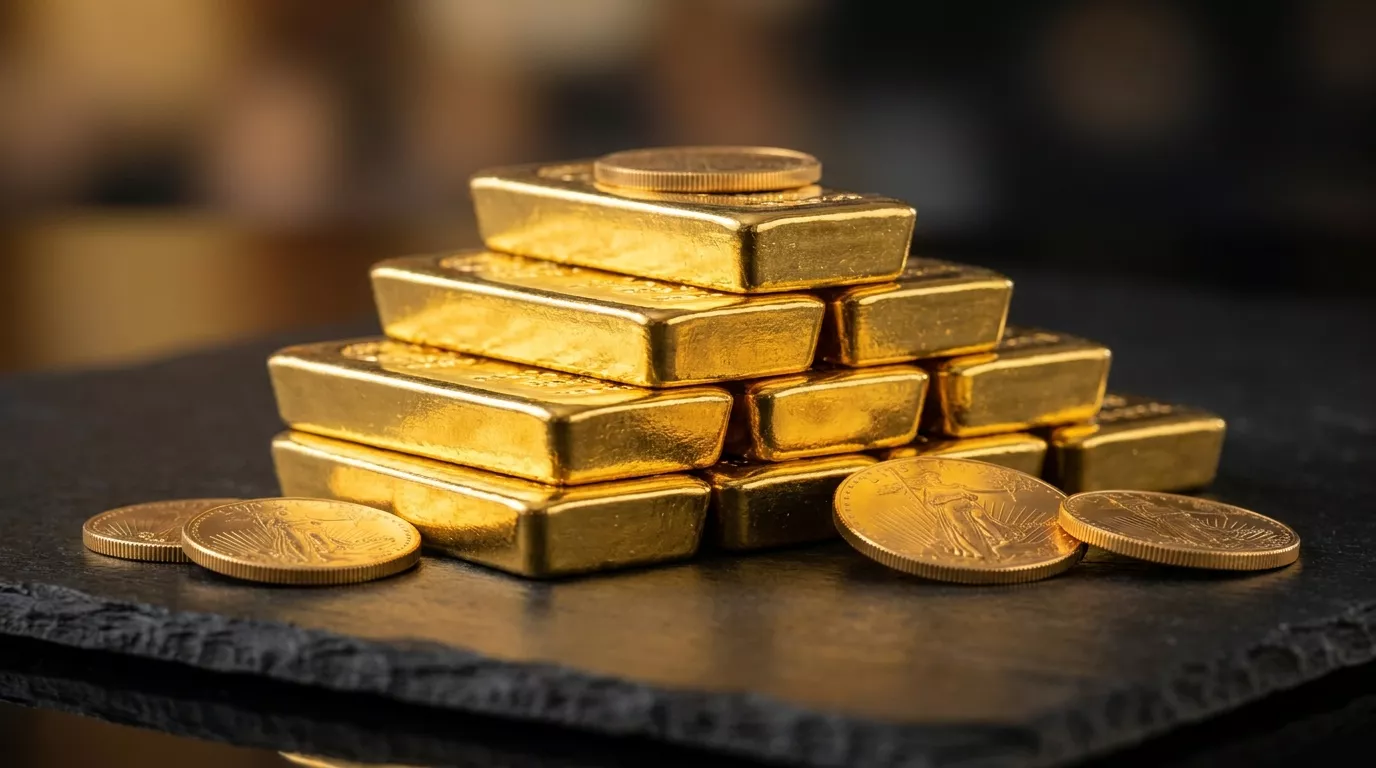
The fineness standards
The IRS allows four precious metals in an IRA, each with a minimum purity (fineness). Anything below the threshold is simply not eligible, no matter how attractive it looks.
- Gold — minimum 99.5% fine (.995).
- Silver — minimum 99.9% fine (.999).
- Platinum — minimum 99.95% fine (.9995).
- Palladium — minimum 99.95% fine (.9995).
Approved sources matter too
Meeting the purity bar is necessary but not sufficient. Eligible metal must also be produced by an approved national mint or an accredited refiner/assayer and meet the IRS's product requirements. This is why certain government coins and recognized bullion bars qualify while generic or unverified pieces may not.
A notable exception to the strict bullion-fineness rule: the American Gold Eagle is specifically permitted even though its alloy is below .995, because it is an explicitly authorized U.S. coin.
Products you'll commonly see
Reputable gold IRA companies stick to a well-trodden list of eligible products. If you're offered something well outside this universe, ask why.
- American Gold and Silver Eagles (explicitly authorized U.S. coins).
- Canadian Gold and Silver Maple Leafs (.9999 fine).
- Australian Kangaroo/Nugget and Austrian Philharmonic coins.
- Approved bullion bars from accredited refiners (e.g., PAMP Suisse, Valcambi) meeting the fineness rules.
Why numismatic coins are usually a trap
Collectible or graded "numismatic" coins are generally not eligible for an IRA, and that exclusion exists for good reason. Numismatic and "semi-numismatic" coins often carry markups far above their metal value — which is precisely why some aggressive sellers push them.
For a retirement account, the goal is exposure to the metal itself at a transparent price, not a bet on collector premiums. If a sales pitch steers you from straightforward bullion toward pricey exclusive coins, treat it as a signal to slow down and compare on spread.
Common questions
What purity does gold need to be for an IRA?+
IRA-eligible gold must generally be at least 99.5% fine (.995). Silver must be 99.9%, and platinum and palladium 99.95%. The American Gold Eagle is a specific authorized exception to the gold fineness rule.
Which gold coins are IRA-approved?+
Common eligible coins include American Gold Eagles, Canadian Gold Maple Leafs, Austrian Philharmonics, and Australian Kangaroos, along with approved bullion bars from accredited refiners. Products must meet IRS fineness and approved-source requirements.
Why can't I hold collectible coins in my gold IRA?+
Collectible and graded numismatic coins are generally excluded from IRAs. They also tend to carry markups well above their metal value, which makes them a poor fit for a retirement account focused on transparent exposure to the metal itself.
Free · No obligation
Want it all in one place?
Request our free gold IRA guide — structure, fees, storage, and rules in a single calm, plain-English walkthrough.
Keep reading
This content is for general education only and is not financial, tax, legal, or investment advice. Investing in precious metals carries risk, including loss of principal. Consult a licensed professional before making decisions.